Water damage to drywall is one of the most common and confusing repair scenarios after leaks, flooding, or plumbing failures. Drywall (also known as gypsum board, sheetrock, or wallboard) absorbs moisture quickly and can both mask and spread damage beyond the visible surface. Knowing when it can be dried in place — and when it must be removed and replaced — helps you make the right restoration choices for safety, mold prevention, and long‑term structural integrity.
Why Water Affects Drywall
Drywall is composed of a gypsum core sandwiched between paper layers. Both gypsum and paper are porous — meaning they absorb water quickly and stay wet even when the surface looks dry. Water also wicks up the wall well above the visible water line, so damage often extends farther than you expect.
Moist drywall is a perfect environment for mold growth, which can begin within 24–48 hours of exposure. Mold not only damages materials further but also poses health risks to occupants.
When Drywall Can Be Dried in Place
In some situations, drywall does not need to be removed — it can be dried and restored successfully. These include:
- Clean Water Exposure (Category 1) - If the water came from a clean source (like a burst supply line or rain leak) and there’s no contamination, drywall can often be dried and kept in place if action is taken quickly.
- Quick Response (Within 24–48 Hours) - If drying begins within about 48 hours of the water event and the material has not become saturated, professionals can often dry the drywall in place using structural drying: high‑volume air movers, dehumidification, and moisture monitoring.
- No Visible Structural Damage - Drywall that is still firm, not soft or sagging, with no warping or delamination, often can be dried and repaired rather than removed.
- No Mold or Contamination - When mold has not yet appeared and the moisture source was clean, restoration experts will dry the material and check with moisture meters to confirm that the gypsum core and wall cavity are returning to safe moisture levels.
When Drywall Must Be Removed
Sometimes drying isn't enough — and replacement is the safer and more cost‑effective choice.
- Long Duration of Exposure (>48–72 Hours) - If drywall has been wet for more than about 48–72 hours, moisture penetrates deeply and encourages mold growth. At this point, drying in place becomes ineffective or unsafe, and replacement is recommended.
- Contaminated Water (Category 2 or 3) - Water from appliances (gray water) or sewage/floodwater (black water) contaminates the material, meaning even if it dries, harmful substances and bacteria may remain. In these cases, the drywall — and often the insulation behind it — must be removed and replaced.
- Visible Mold Growth - Mold that’s visible on the surface or within the wall cavity means the environment was wet too long. Mold spores embed themselves in porous drywall and will keep growing unless the material is removed.
- Soft, Sagging, Crumbling, or Warped Walls - Water weakens the gypsum core. If drywall feels soft when pressed, is sagging out of plane, or crumbles when touched, it has lost structural integrity and should be replaced.
- Insulation or Structural Materials Behind Drywall Are Wet - Even if the drywall itself looks okay, wet insulation behind the wall can wick moisture back into the material. In such cases, professionals typically remove the drywall to expose and either dry or replace the insulation, then install new drywall.
Flood Cuts & Partial Removal
In many floods or significant water events, restorers perform a flood cut — cutting drywall 12–24 inches above the highest visible line of water. This removes soaked material and exposes the wall cavity for proper drying and sanitization. During commercial water damage situations, this targeted removal method is especially important, as it limits how much drywall you replace while ensuring hidden moisture does not remain. It's a targeted removal method that limits how much drywall you replace while ensuring hidden moisture does not remain.
Use of Moisture Meters
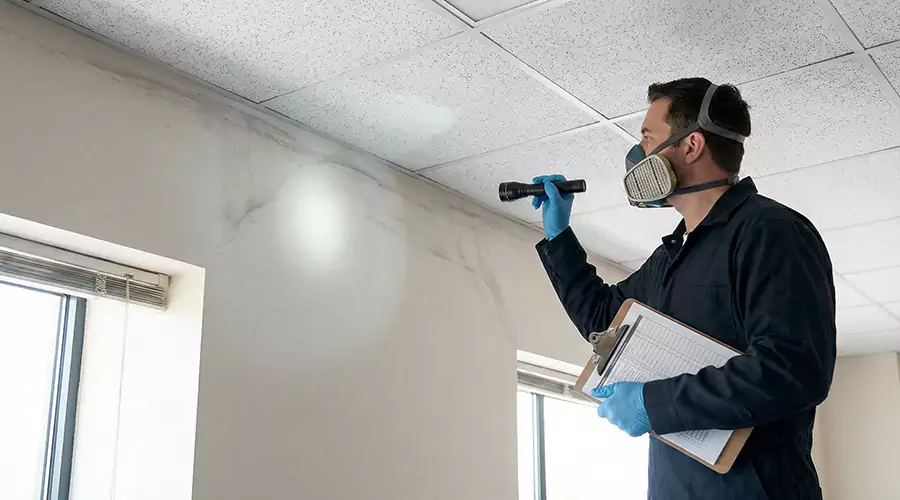
A key part of the decision is data from moisture meters. These tools measure moisture content inside the drywall and behind the surface to confirm:
- Whether moisture levels are dropping
- Whether wall cavity and framing have dried
- If drywall moisture is close to normal reference points
- If moisture will not return to pre‑loss equilibrium even with mechanical drying, then removal is necessary.
Practical Examples
| Situation |
Recommended Action |
| Leak detected & dried within 24–48 hrs, clean water |
Dry in place & repair |
| Water present >48–72 hrs |
Remove & replace |
| Gray water (dishwasher, washing machine) |
Likely removal |
| Black water (sewage, floodwater) |
Immediate removal |
| Sagging, soft, or crumbling drywall |
Remove & replace |
| Visible mold growth |
Remove & replace |
Steps to Dry or Decide
If drying is possible:
- Stop the water source and extract standing water.
- Remove baseboards or trim to allow airflow behind drywall.
- Use professional air movers and dehumidifiers to pull moisture out of cavities.
- Monitor with moisture meters until readings return to safe ranges.
If drywall must be removed:
- Cut out damaged sections up to and above visible waterline.
- Remove wet insulation behind the wall.
- Dry and sanitize the wall cavity and framing.
- Install new drywall, tape, mud, and finish.
Final Takeaways
Drywall water damage doesn't always require removal — early, clean water exposure caught quickly can often be dried and restored. However, when exposure is prolonged, the water is contaminated, mold is present, or the material has lost strength, replacement is the safer, smarter choice to prevent hidden moisture issues and health hazards. Proper assessment with moisture meters and professional drying or demolition ensures the best outcome for your home.


![error : no data for code_snippet : Array
(
[0] => slug='comname
)](/images/logo/logo-mesa-water-damage-pro.png)
